
Products That Wear: Exploring How to Avoid Microplastic Pollution through the Design of Products with Ambiently Biodegradable Plastics
Puck Bos *, Linda Ritzen, Sonja van Dam, Ruud Balkenende, and Conny Bakker
Delft University of Technology, Delft, The Netherlands
In contrast to most plastics, ambiently biodegradable (AB) plastics fully break down under natural conditions, avoiding microplastic pollution. This study takes a research-through-design approach to explore how we might use AB plastics in durable products that wear down, and how this affects their design. Through speculative design explorations of diverse cases, we developed a preliminary design framework that introduces a novel approach to integrating AB plastics into sustainable product design. Our study addresses the tension between the durability of products and the temporality of biodegradable plastics, which must break down under ambient conditions to prevent microplastic pollution. We explored the current limitations of AB plastics, including their mechanical properties and the challenges they pose when used in real-world conditions. While the analysis is explorative and not exhaustive, our findings indicate that AB plastics have the potential to serve as a viable solution for reducing microplastic pollution in applications where microplastic release is unavoidable. We also stress the importance of designing with circular design principles to ensure high-value recovery pathways are prioritized over biodegradation whenever possible. The study concludes by emphasizing the need for continued collaboration among product designers, material scientists, and biodegradation experts to further optimize the properties and applications of AB plastics, suggesting that practical testing and case studies will be key to advancing their use in sustainable product design.
Keywords – Product Design, Wear, Biodegradable Plastic, Microplastic, Pollution, Sustainability.
Relevance to Design Practice – This paper’s exploration of ambiently biodegradable plastics in durable products challenges traditional design approaches and shows opportunities for innovation in sustainable design regarding microplastic pollution. By addressing the tension between durability and temporality, it encourages designers to rethink product lifecycles and design sustainable products that contribute to reducing microplastic pollution.
Citation: Bos, P., Ritzen, L., van Dam, S., Balkenende, R., & Bakker, C. (2026). Products that wear: Exploration how to avoid microplastic pollution through the design of products with ambiently biodegradable plastics. International Journal of Design, 20(1), 37-50. https://doi.org/10.57698/v20i1.03
Received November 27, 2024; Accepted March 9, 2026; Published April 30, 2026.
Copyright: © 2026 Bos, Ritzen, van Dam, Balkenende, & Bakker. Copyright for this article is retained by the authors, with first publication rights granted to the International Journal of Design. All journal content is open-accessed and allowed to be shared and adapted in accordance with the Creative Commons Attribution 4.0 International (CC BY 4.0) License.
*Corresponding Author: p.bos@tudelft.nl
Puck Bos is a design researcher at the faculty of Industrial Design Engineering at Delft University of Technology. Her research focuses on the use of bio-based plastics in product design and aims to provide guidance for product developers on their sustainable application. Prior to her academic career she worked as an industrial designer at Spark Design & Innovation in the Netherlands, where she developed consumer and industrial products with a focus on practical innovation and manufacturability. She later completed a PhD at the faculty of Industrial Design Engineering at Delft University of Technology, investigating the use of bio-based plastics in durable product design and how designers can integrate them sustainably. She is currently a postdoctoral researcher at the same faculty, where her work continues to explore the role of bio-based plastics in sustainable product development.
Linda Ritzen is a researcher with an interdisciplinary background in aerospace engineering, materials science and industrial design engineering. She completed her doctoral research at Delft University of Technology within the faculty of Industrial Design Engineering, where she investigated how product design choices influence the environmental performance and circularity of materials, with a particular focus on bio-based plastics. Her research combines life cycle assessment with materials- and design-oriented perspectives to support informed decision-making in sustainable product development. Drawing on her technical foundation and design research expertise, she bridges engineering, materials, and design for sustainability. She is currently working on sustainability in the energy transition, focusing on integrating environmental impact considerations into energy infrastructure and asset management.
Sonja van Dam is an assistant professor at the Faculty of Industrial Design Engineering at Delft University of Technology, researching circular product design, sustainable transitions, and energy consumption. Her research explores how to co-create circular product-service systems and support sustainable behavior change. With a background in Industrial Design Engineering and a PhD degree in Smart Energy Management for Households, her work centers on incorporating the human perspective in the transition towards a more sustainable and circular society. She has been involved in various national and EU research projects, including ShaRepair Practices, TULIPS, ENRGISED, ReCiPSS, ResCoM, and SusCritMat, closely collaborating with industry partners. Her expertise lies in co-creation and participatory design methods, working with diverse value chain actors and end users to help shape circular propositions that offer value to all involved. She also coordinates the Sustainable Impact course, which introduces all TUDelft’s Industrial Design Engineering’s bachelor students to the fundamentals of sustainable design engineering.
Ruud Balkenende is a professor of Circular Product Design at the Faculty of Industrial Design Engineering at Delft University of Technology. His research focuses on developing design methods that support a circular economy by extending product lifetimes through reuse, repair, and remanufacturing, and recovering materials through recycling. His work spans materials such as bio-based plastics and composites, and engages with emerging technologies including additive manufacturing, AI, and IoT. Encompassing a wide variety of product types, his goal is to give designers and engineers the concrete tools they need to put circular design principles into practice.
Conny Bakker is a professor at the faculty of Industrial Design Engineering at Delft University of Technology. Her research field is Circular Product Design. She aims to develop a design methodology that structurally includes considerations of sustainability and circularity, exploring strategies such as product life-extension, reuse, remanufacturing and recycling, and the business models that enable these strategies. Her ongoing drive is to create and teach a coherent, theoretically sound, and empirically validated circular design methodology by working in collaboration with industry partners.
Introduction
In recent years, microplastics (plastic particles smaller than 5 mm) have emerged as a significant environmental concern. Most plastics in use nowadays do not biodegrade naturally, and when they end up in the environment they slowly break down into small pieces. These pieces, often containing harmful chemical additives, end up in ecosystems and potentially affect soil properties (Rillig, 2012; van Kleunen et al., 2020), organisms (Andrady, 2011; Huerta Lwanga et al., 2017; Oehlmann et al., 2009; Wright et al., 2013), and human health (Prata et al., 2020; Wright & Kelly, 2017). The sources of microplastics are diverse, including intentional losses, such as microbeads in personal care products, and unintentional losses. These unintentional releases may occur during the use phase or maintenance of products, like wear and tear of synthetic textile and car tires (Calero et al., 2021), or after end-of-life due to spills during recycling (Boucher & Friot, 20017) or slow degradation in the environment or in landfills (Rhodes, 2018).
Traditional solutions to this growing problem have focused on minimizing microplastic release (e.g., banning microbeads and reducing litter) and filtering microplastics from wastewater (e.g., filters on washing machines) (Prata, 2018; Rochman et al., 2019). While these efforts offer effective solutions for some sources of microplastics, they do not address microplastic release from wear and tear of durable plastic products. As wear during use is inevitable (e.g., tires, shoe soles), this paper sets out to explore how biodegradable plastics might be used to address this problem.
Biodegradability is defined as the process of breakdown of a material by naturally occurring microorganisms such as bacteria, fungi, and algae (Gross & Kalra, 2002). Since plastics consist of very long polymer chains, microorganisms first excrete enzymes that can break down the chemical bonds in the polymers, reducing them to smaller intermediates (Mueller, 2006). These intermediates are then absorbed and digested by microorganisms into molecules such as water (H2O), carbon dioxide (CO2), and methane (CH4) (Kim et al., 2023). Currently, there are only a few types of polymers that are biodegradable in the natural environment under ambient conditions (temperatures ranging from 20-32°C). Most biodegradable plastics require higher temperatures in an industrial process to successfully and rapidly break down into molecules. In this study we are only interested in the ambiently biodegradable plastics, because we want to ensure that any microplastics that are released due to the wear of a product will degrade in the natural environment.
Ambiently biodegradable (AB) plastics were developed to break down in the natural environment in a relatively short time frame. There is no clear definition of AB plastics described in the literature, however, certification schemes from TÜV Austria for marine, fresh water, and soil environments adhere to timelines of 90% biodegradation in 6 months, 56 days, and 2 years, respectively (nova-Institute GmbH et al., 2021). At present, they are used in applications where these temporal properties are useful, for example in agricultural mulch films, where they break down on land, or in drug capsules, where they break down in the human body (Calero et al., 2021). However, for many products designed to last, so-called durables, biodegradability is not a desirable property as a product should not perish before its intended life is over. If we want to use AB plastics to address the problem of microplastic release during wear of durables, we must address this tension between durability and temporality.
The aim of this study is to explore the application of AB plastics in durable products that wear down during use, to reduce microplastic pollution in the environment, with the intention of developing a preliminary design framework that introduces a novel perspective on the use of AB plastics in design. Through speculative design explorations, we will address the tension between durability and temporality. The approaches can be expected to result in complicated trade-offs that need to be considered during design. The product’s character, properties, experiential value, lifespan, and end-of-life will be affected. The intention of the design explorations presented in this study is to understand the likely changes and trade-offs that will occur and to develop a preliminary design framework which introduces a novel perspective on the use of AB plastics in design.
The line of thinking of using biodegradable materials for human purposes that can safely return to the environment is not new and exists in, for example, cradle-to-cradle design (Braungart et al., 2007). However, although extensive research has been conducted on sustainable materials, to the best of our knowledge no studies have specifically focussed on design implications of using biodegradable materials in the design of durable products to prevent microplastic pollution. While the Material Driven Design method of Karana et al. (2015) also places material properties and possibilities at the centre of the design process, it typically starts with a known material, whereas this study takes a more speculative approach.
Biodegradation is a recovery pathway in the circular economy, and the approach taken in this study therefore complements existing circular design strategies such as design for recycling. However, currently available AB plastics are not optimised for the technical and functional requirements of mitigating microplastic pollution of durable products that wear down. As such, this study adopts what DiSalvo (2009) describes as the tactic of projection: using speculative prototypes to envision and provoke debate around alternative design futures. These prototypes are not final solutions, but rather conversation pieces that surface trade-offs, challenges, and opportunities of using AB plastics in durable products that wear down.
This research followed two main approaches: speculative design explorations using AB plastics in products that wear down and an analysis of currently available AB plastics. The explorative material analysis was used to reflect on the assumptions on AB plastics made during the design explorations. The approaches for the design explorations and material analysis are described in the Method section. This is followed by the results of our design explorations, after which reflections on the experiential aspects of using AB plastics and the material aspects of currently available AB plastics are discussed. The insights gained in the design explorations and reflections are the further elaborated in the Discussion section.
Method
Approach: Design Explorations
This study follows a Research through Design (RtD) approach, where the development of a speculative prototype plays a central role in the knowledge-generation process (Stappers & Giaccardi, 2017). As Stappers and Giaccardi put it: “For instance, it shows a hitherto non-existent combination of factors as a provocation for discussion, or it creates the possibility for people and products to engage in interactions that were not possible before, and these can come into existence—indeed, become observable—through the design.” In this study, the design explorations and resulting prototypes served as provocations for discussion, helping to surface opportunities and constraints that were experienced through the design process. The protypes were created based on assumptions about material behaviour, product performance and degradation scenarios. These were not fully functional products with existing AB plastics, but rather conceptual explorations intended to reveal and discuss the underlying tensions which served as input for a preliminary design framework. As substitute for the AB plastics, we used 3D printed TPU, orange coloured spray paint, and orange coloured rubber coating (Plasti Dip).
In line with a practice-based design research approach, we allowed insights to emerge through the process of making and reflecting (Gaver et al., 2022). After the development of multiple prototypes per case, they were compared and synthesised thematically to identify recurring design strategies with accompanying challenges and implications, which informed the preliminary design framework. Additionally, shoe prototypes were exhibited at the Dutch Design Week (Bos, 2023), where initial impressions of visitors were captured through informal feedback. Consumer interaction research, such as structured user studies or behavioral analysis, was not within the scope of this study. This research focused on exploring material possibilities, trade-offs, and design implications from a speculative and practice-based perspective.
Boundary Conditions and Assumptions
The design explorations were guided by several boundary conditions and assumptions. The first boundary condition was the circular economy—any product that is developed nowadays should, as a conditio sine qua non, fit in a circular economy. One of the core principles of the circular economy is that the value of products and the materials they are made of must be preserved by keeping them in the economic system, either by lengthening their life or looping them back in the system to be reused (den Hollander et al., 2017). Plastics made of renewable, bio-based feedstock do not contribute to global warming after degradation, as this is a carbon-neutral process (the carbon initially absorbed by the biomass is released back into nature on a relatively short timescale). Bio-based biodegradable plastics are designed to degrade through the action of micro-organisms, in the case of AB plastics even under ambient conditions. This suggests that ambiently biodegradable parts that are exposed to outdoor conditions may be less durable than their non-degradable equivalent. Therefore, the starting point for the design explorations was to limit the use of AB plastics to the minimum, to allow as much of the durable (part of the) product as possible to cycle in high-value recovery loops, such as direct reuse, repair, and refurbishment.
A second boundary condition was the need for the AB plastics to be safe and non-toxic. When AB plastics biodegrade in the natural environment, they should in no way leave behind hazardous or toxic residues. Most plastics, including biodegradable plastics, contain a range of additives to enhance their properties. For the design explorations, we took as starting point that we would use only AB plastics without additives, as we had no data on the biodegradability and toxicity of additives. It followed, however, that without any additives, AB plastics would have poorer performance properties than conventional, non-biodegradable plastics. We therefore worked from the assumption that AB plastics have inferior mechanical properties (e.g., tensile strength, stiffness, fracture toughness) compared to commercially available polymers used in durables. We also assumed that the AB plastics would start to degrade as soon as they were exposed to the right ambient conditions. This is a logical scenario when the context of use also provides the right ambient conditions.
The final assumption is that AB plastics indeed mitigate microplastic pollution by biodegrading in the environment. We are aware that this claim should be made cautiously as biodegradation depends on specific environmental conditions like temperature and the presence of microorganisms. This study is therefore speculative, and more material research is needed before AB plastics can be used in these applications. Our scope is therefore mainly on the design implications.
Choice of Cases
Three products in different use contexts were chosen for the design explorations: toothbrushes that wear in contact with teeth, shoe soles that wear on land, and marine rope that wears in water. These cases were selected to represent a diverse range of scenarios in which the release of microplastics is currently unavoidable. Each product has a different type of use and exposure to environmental factors, providing valuable insights into how AB plastics could be used in these applications. By selecting these three diverse cases, the study aims to uncover broader design principles that can be generalized to other applications involving wear-related microplastic emissions across diverse settings.
Toothbrushes represent close-contact use within the human body, posing challenges in terms of safety and hygiene. Toothbrushes are used daily which causes the bristles, usually made of polyamide (PA), to wear. The most visible wear is the bristles fraying and bending permanently. Fang et al. (2023) showed that the bristles release microplastics during brushing, which can enter the digestive system or end up in sewage.
Shoe soles are subjected to variable environmental conditions such as moisture and contact materials like soil. Shoes are often (partially) made from synthetic materials, including plastics like thermoplastic polyurethane (TPU) for the soles, which wear during use. A German study by Fraunhofer UMSICHT estimated that shoe sole wear is the seventh biggest polluter of microplastics with 109 g per capita per year (Bertling et al., 2018). A report from the Danish Environment Protection Agency estimated the total release from shoe soles to be roughly between 100 and 1000 t/year in Denmark alone, where it will end up in soil, sewage systems, and agricultural soil from application of sewage sludge (Lassen et al., 2015).
Marine ropes are exposed to prolonged immersion in saltwater, making them an interesting case for evaluating degradation in aquatic environments. Marine ropes and nets were formerly made from natural resources such as cotton, flax or hemp fibres, but today they are usually made from different types of plastics. Marine rope is known to be a major source of macro litter in the marine environment. However, the study of Napper et al. (2022) additionally showed that large amounts of microplastics are formed during their use. The study showed that microplastics found in organisms like fish can be traced back to marine equipment such as ropes and nets (Napper et al., 2022). Synthetic rope wear can occur internally (contact between yarns of the same rope) and externally (contact between the rope and another surface) (Mandell, 1987). Both types of abrasion occur during the use of marine ropes, mainly during hauling.
Analysis of Currently Available AB Plastics
To reflect on the assumptions made during the design explorations, a scoping literature review as well as desk research into the state of the art of AB plastics was done. Properties of polymers from scientific publications on soil-, marine-, or freshwater biodegradation tests in 2023 and 2024 were included in order to provide insight into the most recent developments in the field. Furthermore, commercially available AB plastics were found through the certifying company TÜV Austria. Corresponding properties were retrieved from the technical datasheets of these materials.
The intention of this exploratory analysis was not to provide an exhaustive overview, but rather to understand how much the assumed properties of AB plastics on which we based the prototypes differed from currently available AB plastics, and from the non-biodegradable plastics that are normally used in toothbrushes, shoes and marine rope. This would help us understand what challenges might still be ahead for material development and design.
Speculative Design Explorations
The speculative design explorations into the use of AB plastics in products that wear resulted in various concepts for shoes, toothbrushes and maritime ropes. We divided the concepts into two design principles: insulation and substitution. The design principle of insulation seeks to preserve the durable character of the product and use of AB plastic to ‘insulate’ the product from its environment. The idea here is that the AB plastic will wear away over time, leaving the non-biodegradable plastics undisturbed. The design principle of substitution seeks to find structural solutions to the use of AB plastics in durable applications, for instance by creating sacrificial parts of AB plastic in a durable plastic structure. By substituting some, or all, of the non-biodegradable plastic(s) of a durable product with AB plastics, the product will fundamentally change character: its properties, structure, use, lifespan, experiential value, and end-of-life, will all change. In this section we will discuss the design principles of insulation and substitution, and a section on lifetime extension.
Design Principle: Insulation
The design principle of insulation focusses on the durability of the product by using AB plastics to form an insulating layer that shields the product from its environment. The aim is to maximise the lifetime of the product while allowing the parts that wear down to do so safely. This approach allows the overall design and performance of the product to remain largely unchanged. This led to three different approaches, coating, buffering, and wrapping, which we will now discuss.
Coating
Toothbrush bristles wear by friction between the bristles and the teeth. Both the tips and the sides of the bristles wear down (Fang et al., 2023). The exact wear pattern will vary from person to person depending on brushing technique. For the design of the first concept toothbrush, we coated the entire outer surface of the bristles with an AB plastic (Figure 1).
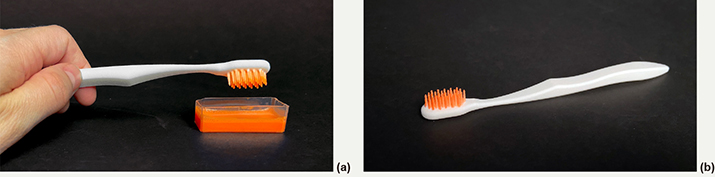
Figure 1. Toothbrush exploration #1 AB plastic coating (in orange) surrounding the bristles:
(a) (re)coating the bristles and (b) coated toothbrush.
Coating the surface of the bristles with an AB plastic insulates the non-biodegradable plastic bristle hairs from direct contact with the use environment. The AB plastic will wear away, releasing biodegradable microplastics into the body and the sewage while doing minimal environmental harm and posing minimal risk to human health. A worn-out coating can be reapplied as shown in Figure 1. A challenge is adapting the design so that the coating can reach all areas of the bristles. Using thicker and fewer bristles ensures that the coating reaches properly around all the bristles, are less prone to permanent bending and will be easier to clean. Similar bristle designs with silicone bristles already exist on the market, demonstrating the feasibility and user acceptance.
A potential risk is that users may continue using the toothbrush after the coating has worn off, exposing them to microplastics from the underlying non-biodegradable material. To signal the need for a new coating, durable bristles with a different colour than the coating could be used, so that wear becomes visible through colour change, as is currently already standard practice with toothbrush bristles. Based on the assumption that AB plastics wear out quickly due to poorer performance properties, this probably will have to be done regularly. Furthermore, if the toothbrush is not rinsed properly after each use, microorganisms might remain on the bristles and biodegradation may occur even when the product is not in use, leading to faster breakdown of the AB plastic coating.
A similar insulation approach was chosen for the first concept shoe. The wear pattern of a sole depends on how the user moves the foot during walking. Due to abnormal pronation almost the entire bottom of a shoe sole can be subject to wear (Lau, 2023; The Ohio State University Wexner Medical Center, 2017) and hence the focus was on the entire sole. In this first shoe concept, the AB plastic coats the sole, and it is assumed that the coating will need to be reapplied regularly (Figure 2). Here too, not cleaning the shoe properly after having been exposed to soil and mud might hasten the biodegradation process. Similarly as with the toothbrush bristles, if the shoe is not recoated in time, this may lead to the release of microplastics from the underlying material into the environment.
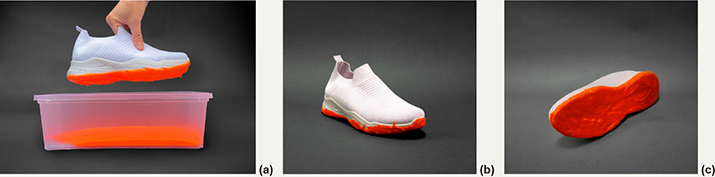
Figure 2. Shoe exploration #1 AB plastic coating (in orange) surrounding the sole:
(a) (re)coating the shoe sole, (b) shoe with coating, and (c) bottom of the shoe with coating.
An advantage of an AB coating is that this approach can, theoretically, be applied to any shoe or toothbrush (or other durable products that wear down) without fundamentally impacting the original design. For example, a coating could be applied to shoe soles temporarily before people enter a nature reserve, or the entire shoe could be coated to prevent contamination of an environment.
Buffering
A second approach to the principle of insulation is to create a thick AB plastic sacrificial buffer between the product and the environment. Figure 3 shows a concept where the bottom part of the sole is made of AB plastic and is attached to the shoe with studs, which allows manual replacement. A challenge is to ensure that as little material as possible has to be discarded when the part that wears down needs to be replaced.
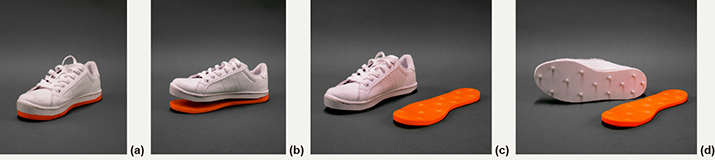
Figure 3. Shoe exploration #2 Bottom layer of the sole made of AB plastic (in orange): (a) AB plastic layer attached to shoe, (b) AB plastic layer partly removed, (c) AB plastic layer removed, and (d) bottom of the shoe with attachment points.
An attempt to minimize the amount of buffer needed is shown in Figure 4. Here, the shoe is designed so that the non-biodegradable parts will not come into contact with the ground. For this reason, the distance between the ground surface and the non-biodegradable middle part of the shoe is enlarged in the prototype. Furthermore, the sole extends upwards both at the front and back because this surface is likely to be in contact with the environment.
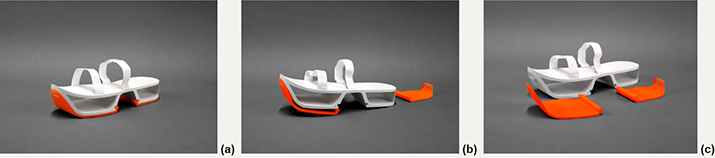
Figure 4. Shoe exploration #3 Sections of the sole made of AB plastic (in orange):
(a) AB plastic sections attached to shoe, (b) AB plastic sections partly removed, and (c) AB plastic sections removed.
As different forces act on different areas of the sole, not every part of the sole will wear equally. The heel, for instance, could be made thicker to give the entire buffer an equally long lifespan. Since the exact wear pattern varies per user, this could also be individualised by, for example, offering different soles based on different types of pronation. As with a coating, the design of the product remains largely the same, even though a buffer is considerably thicker than a coating.
Wrapping
Marine rope has a different, and rather unpredictable, wear behaviour compared with toothbrushes and shoe soles. Not only the outside, but also the core can shed microplastics due to friction of the fibres during, for instance, anchoring, lifting equipment, and fishing. This means that either these microplastics should not be able to leak into sea water through some form of containment, or they should be biodegradable, which means the entire rope should be biodegradable.
One idea is to have an AB plastic sleeve that wraps around the rope, protecting it and keeping the microplastics contained inside, as shown in Figure 5. However, given the assumed inferior mechanical properties of AB plastic, this is a potentially risky option. Sleeves are typically used to protect rope from rough surfaces and sharp edges. It follows that AB plastic sleeves will wear quickly under such circumstances and a damaged sleeve will cause unwanted microplastic release. In this case, the use of AB plastic might be counterproductive, and unless the sleeves are very regularly checked and replaced, this is unlikely to be a feasible option. Furthermore, this design might have limited effectiveness on microplastics shedding from the core of a rope, as the design of the rope itself is not changed.
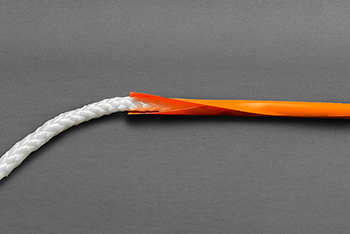
Figure 5. Rope exploration #1 AB plastic protective rope sleeve (in orange) around rope.
Design Principle: Substitution
In the design principle of substitution, the material of (part of) the product that wears is replaced by an AB plastic to ensure the wear particles will break down. This affects the design and properties of the product or part thereof. By limiting the AB plastic part only to the areas that wear, the durability of the rest of the product is maintained.
In our next design exploration, we focus on the entire rope being made of AB plastic. During use water will penetrate to the inside of the rope, thus, it is likely that the entire rope will already start to biodegrade during use. Combined with the assumed inferior mechanical properties of AB plastic, the result is a rope with a considerably shorter lifetime than conventional plastic ropes. It follows that the entire rope might need to be replaced regularly, resulting in the unwanted disposal of a lot of good material. Alternatively, the rope could change colour when worn down allowing the weaker sections to be repaired, for instance with a technique called splicing. Finally, a thicker rope could be developed that would last longer but would also make it heavier and increase the environmental impact due to the use of more material. How much thicker and heavier this would make the rope and whether this is realistic depends on the exact material properties and context of use.
Contrary to shoe soles and toothbrushes, there is an ambiently (marine) biodegradable rope on the market: Senbis green rope. It is used for dolly rope, which is used in fisheries to protect the net from wear caused by contact with the seabed (Senbis, n.d.). In real-life tests, the rope was found to lose its strength by 18% in 18 weeks (Senbis, n.d.). Since dolly ropes should be replaced every 6 months, the lifespan is long enough for the application. This is an example where the choice for AB plastic is in line with the required lifespan of the product.
In the second toothbrush design exploration (Figure 6), a modular solution is explored, with the bristles entirely made of AB plastic, to be replaced once sufficiently worn. Here, the AB bristles act as a sacrificial part in a durable structure. If a non-toxic and biodegradable pigment can be found, the bristle colour could fade over time, mimicking current bristles in toothbrushes. Creating a sacrificial part made of AB plastics requires a careful redesign of the bristle structure—the bristles need to be thicker to ensure effective brushing performance based on the lower strength of AB plastics, with studier bristle hairs that are less likely to deform. Since the toothbrush handle will not substantially wear down during use, it can be reused and eventually recycled. Completely replacing a shoe sole by an AB plastic would require a similar approach.
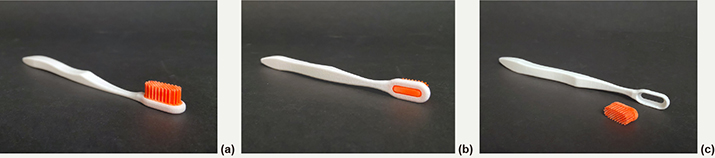
Figure 6. Toothbrush exploration #2 Replaceable bristles made of AB plastic (in orange) inspired by the Yaweco toothbrush (Yaweco, n.d.): (a) AB plastic bristles attached to toothbrush handle, (b) back of toothbrush with AB plastic bristles attached, and ? (c) AB plastic bristles removed from toothbrush handle.
Product Lifetime Extension
The concept of AB plastic parts wearing down implies that, in many cases, these worn parts will need replacement to extend the lifetime of the product. In the context of a circular economy this implies that the lifetime of a product is prolonged by operations such as maintenance and repair. The design explorations have already suggested several lifetime extension options, such as recoating toothbrush bristles or shoes and replacing AB plastic toothbrush bristles, buffers under shoe soles, or wraps around a marine rope. In addition to recoating and replacing AB plastic parts, we distinguish another potential lifetime extension strategy, which we refer to as replenishing.
Replenishing is the idea of rebuilding something that has been diminished. For example, a worn AB plastic shoe sole could be scanned to map where material is missing, after which the damage could be replenished with new material using Additive Manufacturing (see Figure 7). It is important that the new AB plastic can adhere to the damaged sole. If it does not adhere well, large pieces of AB plastic sole can come off, which take longer to biodegrade than microplastics. Hence, replenishing can be especially interesting for parts that damage locally or for parts that exhibit a structure that wear down, like a shoe sole.
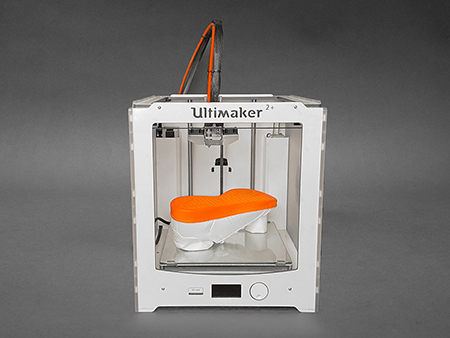
Figure 7. Shoe exploration #3 Replenishing AB plastic sole (in orange) with a 3D printer.
An important factor in extending a product’s lifespan is cleaning of the AB plastic part. Since the AB plastics are designed to degrade under ambient conditions with exposure to microorganisms, it is important to minimise these conditions when the product is not in use. Properly cleaning the product after each use and storing it in a clean, dry environment will likely slow down the biodegradation process.
Reflection
Experiential Aspects of Using AB Plastics
The integration of AB plastics into durable products changes not only functional properties and the design of the products but also the relationship of people with these products. We list here the main experiential aspects that emerged during the design explorations themselves and from discussions about the designs with visitors to the 2023 Dutch Design Week (Bos, 2023), where the shoes were exhibited. Assuming these concepts would become reality, both negative and positive aspects might occur that designers and businesses need to deal with.
On the positive side, the concepts might open possibilities for totally new ways of perceiving and handling products. This could lead to new value propositions and service models (e.g., recoating as a service) that incorporate careful design with use cues and clear product information. If well-maintained and regularly replaced, some products (like shoes) may last much longer than usual, since the AB plastic buffer prevents the wear of the durable plastic parts. This could not only extend the life of the main structure, but also create a long-term engagement with users. Furthermore, the replacement nature of the AB plastic component gives opportunities for modular design; for example, shoe soles with different profiles for different terrains, which potentially adds value to the user experience and sense of ownership and personalization.
People might be motivated to ‘do their bit’ to prevent microplastic pollution if it is made relatively straightforward and easy. If users understand that their maintenance and repair actions, such as replacing worn out AB parts or keeping products clean, actively contribute to reducing microplastic pollution, they may feel more willing to adopt these routines. Additionally, if the replacement cycle is in line with normal habits there is a chance of quicker acceptance. For instance, in the case with the modular toothbrush people are already used to replacing their toothbrush regularly.
While AB plastics bring interesting possibilities, they also bring challenges. Products might be perceived as inferior; seeing a shoe sole wear faster than usual or having a rope break faster than currently expected might be difficult for users to accept and may lead to rejection. Also, the fact that a product looks or feels different may be a reason to reject it.
Likewise, the enhanced care and maintenance requirements could be a stumbling block for some users. Products made with AB plastics would likely require regular cleaning to prevent premature degradation. Furthermore, the AB plastic parts need regular maintenance like replacing or recoating. If the intention is that this is done by users, it may backfire, as people may simply buy a new product instead of replacing or recoating the AB plastic. And even if people are willing to replace or recoat, chances are that they might do it too late or too often, which defeats the purpose in different ways. If it is done too late, microplastics from the non-biodegradable plastic might be released, and there is a risk that replacement might not be possible anymore because surfaces do not connect well anymore. If it is done too often it can have a negative environmental impact from increased material use.
In summary, while the introduction of AB plastics in product design presents several challenges related to user acceptance, maintenance, and perceived durability, it also opens opportunities for innovation in modular design, new service models, and a shift in user behaviour towards more sustainable product care and environmental responsibility.
Material Aspects of Currently Available AB Plastics
In our design explorations, we made several assumptions about AB plastics. To reflect on these assumptions, explore the feasibility of the proposed designs, and uncover challenges for both design and material science we conducted an exploratory material analysis of AB plastics currently available on the market and documented in the literature. This search was not intended to be exhaustive or definite, but rather to provide a fair impression of the mechanical properties of potentially interesting AB plastics, allowing for a preliminary comparison with the conventional plastics used in the design exploration products.
We compared the mechanical properties of AB plastics available on the market (#5-13 in Table 1) with the conventional plastics most often used in toothbrushes [polyamide (PA), polybutylene terephthalate (PBT), polypropylene (PP), polyethylene terephthalate (PET), silicone and polylactic acid (PLA)], shoes [polyurethane (PU), thermoplastic polyurethane (TPU), ethylene vinyl acetate (EVA) and polyvinyl chloride (PVC)], and marine rope [polyethylene (PE), polyamide PA, polypropylene PP, ultra-high-molecular-weight polyethylene (UHWPE), aramid fibres and polyphenylene benzobisoxazole (PBO)] (Better Shoes Foundation, n.d.; Jing Sourcing, n.d.; PremiumRopes, n.d.). Commercially available AB plastics were found through the certifying company TÜV Austria. Corresponding properties were retrieved from the technical datasheets of these materials. TÜV Austria tests for soil biodegradability of at least 90% biodegradation at 20-25°C in 2 years, for freshwater biodegradability of at least 90% biodegradation at 20-25°C in 2 months and for marine biodegradability of at least 90% biodegradation at 28-32°C in 6 months (nova-Institute GmbH et al., 2021).
Additionally, properties of polymers from scientific publications on soil-, marine-, or freshwater biodegradation tests in 2023 and 2024 were included in order to provide insight into the most recent scientific developments in the field (#1-4 in Table 1). Since biodegradation experiments in scientific literature use vastly different experimental designs (e.g., with respect to temperature and experiment duration), a threshold was set in order to be included in the results: the polymer needed to degrade at least 30% under ambient conditions within 180 days to be included.
Table 1. An overview of ambiently biodegradable (AB) plastics available on the market and described in literature. PBAT: polybutylene adipate terephthalate, PHBH: poly(3-hydroxybutyrate-co-3-hydroxyhexanoate), PBS: polybutylene succinate, PBSA: polybutylene succinate-co-adipate, PHA: polyhydroxyalkanoate, PLA: polylactic acid, TPS: thermoplastic styrene.
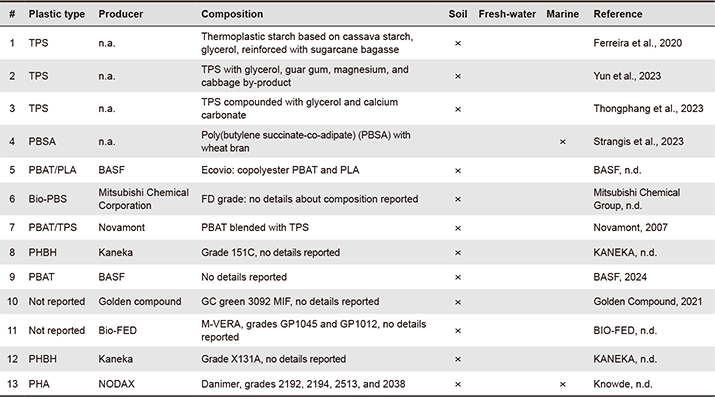
Figure 8 displays Ashby charts of the mechanical properties of the AB plastics resulting from the material exploration. These charts provide an indication of the performance of biodegradable alternatives in the design explorations for selected properties and allows for a comparison with the properties of currently used materials. The properties in Figure 8 were selected as they are representative of mechanical behaviour and the most reported in material data sheets and scientific literature. As Figure 8b shows, the biodegradable alternatives typically have a lower tensile strength than the conventionally fossil fuel-based polymers for the design exploration products. Given that the scales are logarithmic, this difference is considerable: the tensile strength of the biodegradable polymers is less than half of that of most conventionally used polymers. The density of the biodegradable alternatives was also relatively high.
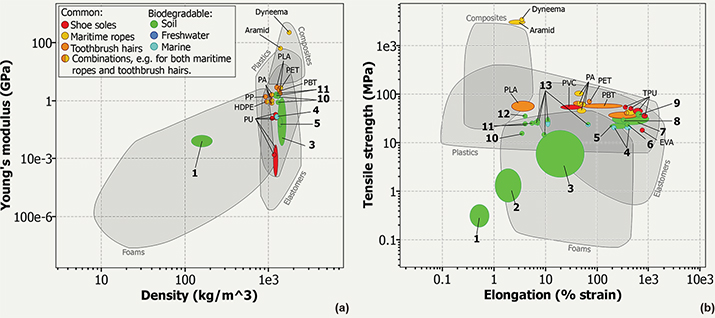
Figure 8. Ashby charts using Granta selector (Ansys, 2023) showing the mechanical performance of ambiently biodegradable (AB) plastics compared to conventional plastics used in the three case studies: (a) density versus Young’s modulus, and (b) Elongation at break versus tensile strength.
For the toothbrush hairs, water-biodegradable polymers had a relatively low stiffness and tensile strength compared to the conventionally used polymers. Achieving a bristle from a biodegradable polymer with the behaviour of currently available toothbrushes may currently not be possible. Since there was insufficient data on freshwater biodegradable polymers, we only used the results for marine biodegradable polymers for this analysis. For the shoe soles, one TPS type (number 3 in the Figures) and PBAT/PLA copolyester ecovio (number 5) showed a similar Young’s modulus as conventionally used PU. However, the density was slightly higher, and the tensile strength and elongation at break were slightly lower. This implies that the shoe sole may be heavier and that the material may fail earlier during normal use. For the maritime ropes, marine-biodegradable polymers had a lower tensile strength, lower elongation at break, and higher density than conventionally used materials. This may result in a significantly thicker and heavier rope as more material is needed to reach the same tensile strength and stiffness. This effect extends further as the rope needs to be thicker to carry its own increased weight.
This implies that straight-forward replacement of a plastic by an AB alternative can result in a product with very different mechanical behaviour. It also shows that for some applications, biodegradable plastics can currently not reach the required mechanical performance. Additives can be used to tailor the properties of a plastic and improve certain properties. However, these additives also need to be biodegradable in the targeted environments. The fate and effect of (biodegradable) additives in biodegradable plastics has not yet been studied outside of controlled lab environments (Cao et al., 2023). Furthermore, blending of different polymers can enhance material properties of biodegradable plastics while maintaining biodegradability (Narancic et al., 2018). However, both blending and adding additives could make other recovery strategies like mechanical recycling more difficult (Dorigato, 2021).
In conclusion, the current state of the art of AB plastics shows clearly that the mechanical properties are inferior to their non-biodegradable counterparts, which aligns with our initial assumption. This has implications for product design, as designers may need to compensate by, for example, using more material or accepting a shorter product lifespan. Additionally, the use of biodegradable additives that might improve mechanical properties is still an understudied area. More research in materials science is essential, particularly to better understand the biodegradation of AB plastics in open environments.
Discussion
Use of AB Plastics in Products That Wear to Avoid Microplastic Pollution
Avoiding microplastic pollution by durable plastic products that wear is an understudied topic. Given the sheer number of products that wear in everyday use (e.g., shoes, tires, synthetic textiles, brake pads, brushes, brooms, ropes, products with wheels like trolley suitcases, toys, sports, and recreation equipment, etc), it is crucial that more research is done into the design and development of these products and their materials. For some products, microplastics can be avoided by (re)introducing natural materials, but this will certainly not be possible for all products. In many cases, the properties of natural materials will not be adequate for the application, as they often have more variability in properties, mechanical performance, and consistency compared to engineered materials, making them less predictable and less suitable for mass production (Gilbert, 2017). This study contributes to the understanding of how durable products can be designed to reduce microplastic pollution by offering a novel perspective on the integration of biodegradable plastics.
The speculative design explorations showed that the use of AB plastics as substitution or insulation is possible, although this might come with considerable trade-offs. The inferior mechanical properties of AB plastics might to some extent be a given, but the overview of commercially available AB plastics shows that more research may be needed to push the boundaries. Material research could for instance explore how to better control the ageing and degradation behaviour of AB plastics, and how to use non-toxic and nature-compatible additives to improve their mechanical properties without compromising overall biodegradability. Furthermore, as the biodegradation might already start during product use, it would help the design of products if the degradation process of AB plastics was better defined, such as when it starts, how fast it proceeds, and under what conditions, so that material characteristics are better understood.
The question remains whether the few commercially available AB plastics will fully biodegrade in real-world conditions. The certifying company TÜV Austria, for instance, certifies marine biodegradable plastics when they show 90% biodegradation within 180 days at 28-32°C (nova-Institute GmbH et al., 2021). It is questionable whether this standard provides a realistic picture as the average ocean temperature is around 20°C, and there are obviously areas where the temperature is well below that (Climate Change Institute, 2024). The rate of degradation is probably much slower for certified marine biodegradable plastics in an ocean below 28°C (Shah et al., 2008). Biodegradation in soil, seawater, or fresh water will also vary greatly in, for example, the presence of microorganisms, humidity level, and oxygen level, affecting the degradation rate (Kim et al., 2023). A change in testing conditions may be advisable in such instances, as well as more research into the health and environmental impact of not yet fully degraded AB plastics. In addition, there is also a risk of methane formation during the biodegradation process, which contributes to global warming (Hottle et al., 2017). This creates a trade-off between microplastic pollution and impact on climate change.
Design Framework for Using AB Plastics in Products That Wear
Dealing with temporal aspects in the design of durable products is a new challenge. Designers need to reframe their thinking from creating maximum resistance to wear, to accepting relatively rapid wear of (parts of) the product. Hence, a good understanding of where and how a product wears down and the degradation behaviour of AB plastics is necessary.
Integrating renewal services as part of the value proposition for some products can be positive for their circularity. However, temporality in durable products also creates a potential tension with some Circular Economy goals aimed at maximizing value retention and lowering environmental impact. Designers may need to maximize the durable (long-life) part of the product and minimize the wearing (short lived) part and ensure both can be separated and correctly disposed of in their distinct recovery pathways. In addition to the design principles of substitution and insulation, it is therefore also important to consider recycling. A potential problem is that AB plastics could contaminate the recycling stream of durable plastics (Iles & Martin, 2013). Furthermore, it is important to carefully consider the trade-offs between minimising microplastic pollution and reducing overall environmental impact. The use of AB plastics can require more material and its biodegradation can produce methane, which can lead to a larger impact on climate change compared to products made of conventional plastics. Clearly, introducing biodegradable materials in durable products introduces a variety of new tensions to the design process.
This study presented a first design exploration on the use of AB plastics in products that wear down. Our findings regarding structural design can be summarized in Table 2, which also serves as a preliminary design framework.
Table 2. Preliminary design framework for structural design implications when using ambiently biodegradable (AB) plastics in products that wear down.
| Design Principle: use of AB plastics in products that wear down | Application in durable products | Possible implication and challenges for design |
| Insulation: Add an extra layer of AB plastic to surfaces of the product that wear down, implying that the design of the product itself remains largely unaltered. |
Coating: a well-defined surface of the product that is subject to wear is covered by a layer of biodegradable material. Most suited if temporary presence is sufficient, or if re-coating is no objection. | A challenge could be that the coating does not fully reach all wear-prone areas. Redesign the product to make the wear surfaces easily accessible to coat. |
| The user/environment risks exposure to microplastics from the underlaying material when coating is worn off. Explore options to make it visually clear when a coating needs to be replaced. | ||
| Buffering: a relatively thick biodegradable layer is applied that lasts longer than a coating but does not require an entire part of the product to have biodegradable properties. | Think about making the biodegradable part easily replaceable to ensure longer lifespan of durable parts. | |
| Due to uneven wear, possibly a large amount of material needs to be discarded when the parts need replacement. Consider the wear pattern of the part when designing to minimise waste. | ||
| Wrapping: an additional enclosement made of AB plastic surrounding a product or part. | A damaged wrap can release microplastics of the underlaying material. Think about making the biodegradable wrap easily replaceable to ensure longer lifespan of durable parts or match to lifetime of the product. | |
| Substitution: Replace material of (part of) the product with AB plastic, which implies that the design of the product or part needs considerable adaptation. |
Full substitution: an entire product that is subject to wear is substituted by a biodegradable equivalent. | The AB plastic product will probably have a shorter lifetime. Consider designing in line with the required lifespan of the product. |
| Partial substitution: the part of a product that wears is replaced by an AB plastic part. | Think about making the biodegradable part easily replaceable to ensure a long lifespan of durable parts. | |
| Product lifetime extension: Restorative actions on the AB plastic part to prolong the lifetime of the product. |
Recoating: reapplication of a new coating layer when the coating is worn out. | Incorrect recoating can pose risks of microplastics still being released from the underlaying material. Consider whether it is necessary to be able to remove an old coating and whether recoating is done by the user or an expert through a service. |
| Replacing: replacing an AB plastic part when it is worn out. This can be done for both a substitution and an insulation part. | Replacing parts may be complicated for consumers. During designing, think about how an AB part can be replaced and if this is done by the user or an expert through a service. | |
| Replenishing: rebuilding a part when part of the AB plastic is worn out (e.g., with additive manufacturing). This can be done for both a substitution and an insulation part. | If the new material does not adhere properly to the damaged product there is a risk of large pieces of AB plastic coming off. When choosing the AB plastic, consider that the plastic should adhere to the original part during replenishing. |
The framework focuses on structural design implications. In order to make these design principles work well, some additional aspects need to be considered. The products must be easily cleanable so that microorganisms that activate the biodegradation process are not retained. And besides adjustments in the structure of the designs, designing products with AB plastics requires dealing with multiple tensions related to user behaviour. Users need to adapt their normal use and care routines quite drastically, which may lead to resistance. Guiding them with careful design (i.e., colour change in wear parts, giving guidance on correct cleaning and disposal of AB parts, etc) and possibly offering new service models can help in the transition.
The study has several limitations that should be acknowledged. Many of the reflections presented are based on experiences and interpretations of the authors during the design explorations, and while they provide valuable insights in a Research through Design approach, they remain subjective. Impressions gathered from visitors to the Dutch Design Week were informal and exploratory in nature, capturing initial reactions rather than in-depth consumer understanding. Future research could focus more systematically on consumer interaction with products containing AB plastics. Furthermore, the AB plastics analysed in the material analysis are relatively new and less developed than the well-established materials with multiple grades available in the database Granta Selection. Although the material analysis was carried out as an exploration to see whether it might be possible (in the future) to design products using AB plastics that wear down, there are limitations in comparing the mechanical properties of new and established materials. Additionally, biodegradation depends on environmental conditions such as temperature and presence of microorganisms, and therefore more research is necessary to validate the effectiveness of using AB plastics to mitigate microplastic pollution.
The design framework proposed is preliminary and has not yet been tested in practical design contexts. Possible next steps toward realising the use of AB plastics in products that wear down include extending the exploration to identify feasible cases and develop practical examples to test the properties of (future) AB plastics and refine the design framework. This is complicated as it requires close collaboration of designers with materials developers and biodegradation experts. Finally, the work involves several assumptions about material behaviour, user response, and product performance that were necessary at this speculative stage; these assumptions can be verified through additional interdisciplinary research.
Conclusion
Alarming news of microplastic pollution forces us to carefully and radically rethink the way we currently design and use plastic products. Non-biodegradable plastics, mainly praised for their durability, are increasingly seen as major contributors to microplastic pollution. This paper explored the use of ambiently biodegradable (AB) plastics in durable products as a strategy to reduce microplastic pollution, with the intention of developing a preliminary design framework that introduces a novel perspective on the use of AB plastics in durable design. Through speculative design explorations we addressed the tension between durability and temporality. We based our design exploration on the use of AB plastics in cases of inevitable microplastic release in the environment caused by wear inherent to the use phase of a product. Furthermore, we used circular design principles, implying that more valuable recovery pathways than biodegradation should be prioritised whenever possible.
Our design explorations showed the potential of AB plastics as an interesting solution to tackle microplastic pollution from products that wear down. AB plastics used in durable products challenges the mindset for both designers and users to move away from the traditional focus on durability. This opens the door to creative product designs and new business ideas, like renewal and maintenance services that could fit well with circular economy principles. While our findings suggest the use of AB plastics in durable products has potential, there are still challenges to overcome, particularly concerning their lower mechanical properties. This might result in the use of more plastic overall and therefore accepting a higher environmental impact to avoid non-biodegradable microplastic release. More research is needed, for example in optimizing the degradation behaviour and addressing their performance in real-life situations.
To realise the full potential of AB plastics in products that wear down, collaboration between product designers, material scientists, and biodegradation experts is essential. Hence, expanding this research with additional case studies and practical examples will be an important step to enable implementation of AB plastics in durable products.
References
- Andrady, A. L. (2011). Microplastics in the marine environment. Marine Pollution Bulletin, 62(8), 1596-1605. https://doi.org/10.1016/j.marpolbul.2011.05.030
- Ansys. (2023). Granta selector (Version 2023 R2) [Computer software]. https://www.ansys.com/products/materials/granta-selector
- BASF. (n.d.). Ecovio (PBAT, PLA) – Certified compostable polymer with bio-based content. Retrieved November 20, 2024, from https://plastics-rubber.basf.com/global/en/performance_polymers/products/ecovio
- BASF. (2024). Ecoflex® F Blend C1200 [Product datasheet]. BASF SE.
- Bertling, J., Bertling, R., & Hamann, L. (2018). Kunststoffe in der umwelt: Mikro- und makroplastik [Plastics in the environment: Micro- and macroplastic]. Fraunhofer UMSICHT. https://doi.org/10.24406/UMSICHT-N-497117
- Better Shoes Foundation. (n.d.). Material selection. Retrieved March 8, 2024, from https://www.bettershoes.org/home/material-selection
- BIO-FED. (n.d.). Biodegradable bioplastics M·VERA. Retrieved November 20, 2024, from https://bio-fed.com/en/bioplastics/mvera
- Bos, P. (2023). Sole survivor. 4TU.Design United. Retrieved April 1, 2026, from https://www.4tu.nl/du/projects/shaping-sustainable-futures/
- Boucher, J., & Friot, D. (2017). Primary microplastics in the oceans: A global evaluation of sources. IUCN. https://doi.org/10.2305/iucn.ch.2017.01.en
- Braungart, M., McDonough, W., & Bollinger, A. (2007). Cradle-to-cradle design: Creating healthy emissions–A strategy for eco-effective product and system design. Journal of Cleaner Production, 15(13-14), 1337-1348. https://doi.org/10.1016/j.jclepro.2006.08.003
- Calero, M., Godoy, V., Quesada, L., & Martín-Lara, M. Á. (2021). Green strategies for microplastics reduction. Current Opinion in Green and Sustainable Chemistry, 28, Article 100442. https://doi.org/10.1016/j.cogsc.2020.100442
- Cao, X., Liang, Y., Jiang, J., Mo, A., & He, D. (2023). Trends in analytical chemistry organic additives in agricultural plastics and their impacts on soil ecosystems: Compared with conventional and biodegradable plastics. Trends in Analytical Chemistry, 166, Article 117212. https://doi.org/10.1016/j.trac.2023.117212
- Climate Change Institute. (2024). Daily sea surface temperature. Retrieved April 5, 2024, from https://climatereanalyzer.org/clim/sst_daily/
- Den Hollander, M. C., Bakker, C. A., & Hultink, E. J. (2017). Product design in a circular economy: Development of a typology of key concepts and terms. Journal of Industrial Ecology, 21(3), 517-525. https://doi.org/10.1111/jiec.12610
- DiSalvo, C. (2009). Design and the construction of publics. Design Issues, 25(1), 48-63. https://doi.org/10.1162/desi.2009.25.1.48
- Dorigato, A. (2021). Recycling of polymer blends. Advanced Industrial and Engineering Polymer Research, 4(2), 53-69. https://doi.org/10.1016/j.aiepr.2021.02.005
- Fang, C., Gopalan, S., Zhang, X., Xu, L., Niu, J., & Naidu, R. (2023). Raman imaging to identify microplastics released from toothbrushes: Algorithms and particle analysis. Environmental Pollution, 337, Article 122510. https://doi.org/10.1016/j.envpol.2023.122510
- Ferreira, D. C. M., Molina, G., & Pelissari, F. M. (2020). Biodegradable trays based on cassava starch blended with agroindustrial residues. Composites Part B: Engineering, 183, Article 107682. https://doi.org/10.1016/j.compositesb.2019.107682
- Gaver, W. W., Krogh, P. G., Boucher, A., & Chatting, D. (2022). Emergence as a feature of practice-based design research. In Proceedings of the conference on designing interactive systems (pp. 517-526). ACM. https://doi.org/10.1145/3532106.3533524
- Gilbert, M. (2017). Plastics materials: Introduction and historical development. In M. Gilbert (Ed.), Brydson’s plastics materials (8th ed., pp. 1-18). https://doi.org/10.1016/B978-0-323-35824-8.00001-3
- Golden Compound. (2021). Material data sheet: GC green 3092 MIF [Product datasheet]. Golden Compound GmbH.
- Gross, R. A., & Kalra, B. (2002). Biodegradable polymers for the environment. Science, 297(5582), 803-808. https://doi.org/10.1126/science.297.5582.803
- Hottle, T. A., Bilec, M. M., & Landis, A. E. (2017). Biopolymer production and end of life comparisons using life cycle assessment. Resources, Conservation and Recycling, 122, 295-306. https://doi.org/10.1016/j.resconrec.2017.03.002
- Huerta Lwanga, E., Mendoza Vega, J., Ku Quej, V., Chi, J. de los A., Sanchez del Cid, L., Chi, C., Escalona Segura, G., Gertsen, H., Salánki, T., van der Ploeg, M., Koelmans, A. A., & Geissen, V. (2017). Field evidence for transfer of plastic debris along a terrestrial food chain. Scientific Reports, 7(1), Article 14071. https://doi.org/10.1038/s41598-017-14588-2
- Iles, A., & Martin, A. N. (2013). Expanding bioplastics production: Sustainable business innovation in the chemical industry. Journal of Cleaner Production, 45, 38-49. https://doi.org/10.1016/j.jclepro.2012.05.008
- Jing Sourcing. (n.d.). Top 9 toothbrush bristle types: Materials explained. Retrieved March 8, 2024, from https://jingsourcing.com/p/b46-toothbrush-bristles-material/
- KANEKA. (n.d.). KANEKA biodegradable polymer PHBH [Product datasheet]. https://www.ctc-n.org/products/kaneka-biodegradable-polymer-phbh
- Karana, E., Barati, B., Rognoli, V., & Zeeuw van der Laan, A. (2015). Material driven design (MDD): A method to design for material experiences. International Journal of Design, 9(2), 35-54. https://doi.org/10.57698/v9i2.03
- Kim, M. S., Chang, H., Zheng, L., Yan, Q., Pfleger, B. F., Klier, J., Nelson, K., Majumder, E. L. W., & Huber, G. W. (2023). A review of biodegradable plastics: Chemistry, applications, properties, and future research needs. Chemical Reviews, 123(16), 9915-9939. https://doi.org/10.1021/acs.chemrev.2c00876
- Knowde. (n.d.). Products for ‘Danimer’. Retrieved November 20, 2024, from https://www.knowde.com/f/k_Danimer/products
- Lassen, C., Hansen, S. F., Magnusson, K., Hartmann, N. B., Rehne Jensen, P., Nielsen, T. G., & Brinch, A. (2015). Microplastics occurrence, effects and sources of releases to the environment in Denmark. The Danish Environmental Protection Agency.
- Lau, V. (2023, October 5). Sole speak: Understanding shoe wear patterns for better foot health. Mashable Asia. https://sea.mashable.com/science/27488/sole-speak-understanding-shoe-wear-patterns-for-better-foot-health
- Mandell, J. F. (1987). Modeling of marine rope fatigue behavior. Textile Research Journal, 57(6), 318-330. https://doi.org/10.1177/004051758705700602
- Mitsubishi Chemical Group. (n.d.). BioPBS. Retrieved November 20, 2024, from https://www.m-chemical.co.jp/en/products/departments/mcc/sustainable/product/1201025_7964.html
- Mueller, R. (2006). Biological degradation of synthetic polyesters–Enzymes as potential catalysts for polyester recycling. Process Biochemistry, 41(10), 2124-2128. https://doi.org/10.1016/j.procbio.2006.05.018
- Napper, I. E., Wright, L. S., Barrett, A. C., Parker-Jurd, F. N. F., & Thompson, R. C. (2022). Potential microplastic release from the maritime industry: Abrasion of rope. Science of the Total Environment, 804, Article 150155. https://doi.org/10.1016/j.scitotenv.2021.150155
- Narancic, T., Verstichel, S., Reddy Chaganti, S., Morales-Gamez, L., Kenny, S. T., De Wilde, B., Babu Padamati, R., & O’Connor, K. E. (2018). Biodegradable plastic blends create new possibilities for end-of-life management of plastics but they are not a panacea for plastic pollution. Environmental Science and Technology, 52(18), 10441-10452. https://doi.org/10.1021/acs.est.8b02963
- nova-Institute GmbH, OWS, Hydra Marine Science, IKT Stuttgart, & Wageningen University and Research. (2021). Biodegradable polymers in various environments according to established standards and certification schemes–graphic. Renewable Carbon Publications. https://renewable-carbon.eu/publications/product/biodegradable-polymers-in-various-environments-according-to-established-standards-and-certification-schemes-graphic-pdf/
- Novamont. (2007). Mater-Bi: The original. Retrieved April 1, 2026, from https://www.eco-logisch.nl/pdfupload/Mater_Bi%20_brochure.pdf
- Oehlmann, J., Schulte-Oehlmann, U., Kloas, W., Jagnytsch, O., Lutz, I., Kusk, K. O., Wollenberger, L., Santos, E. M., Paull, G. C., VanLook, K. J. W., & Tyler, C. R. (2009). A critical analysis of the biological impacts of plasticizers on wildlife. Philosophical Transactions of the Royal Society B: Biological Sciences, 364(1526), 2047-2062. https://doi.org/10.1098/rstb.2008.0242
- Prata, J. C. (2018). Microplastics in wastewater: State of the knowledge on sources, fate and solutions. Marine Pollution Bulletin, 129(1), 262-265. https://doi.org/10.1016/j.marpolbul.2018.02.046
- Prata, J. C., Da Costa, J. P., Lopes, I., Duarte, A. C., & Rocha-Santos, T. (2020). Environmental exposure to microplastics: An overview on possible human health effects. Science of the Total Environment, 702, Article 134455. https://doi.org/10.1016/j.scitotenv.2019.134455
- Premium Ropes. (n.d.). Rope materials. Retrieved March 8, 2024, from https://www.premiumropes.com/rope-advice/rope-materials
- Rhodes, C. J. (2018). Plastic pollution and potential solutions. Science Progress, 101(3), 207-260. https://doi.org/10.3184/003685018X15294876706211
- Rillig, M. C. (2012). Microplastic in terrestrial ecosystems and the soil? Environmental Science & Technology, 46(12), 6453-6454. https://doi.org/10.1021/es302011r
- Rochman, C. M., Brookson, C., Bikker, J., Djuric, N., Earn, A., Bucci, K., Athey, S., Huntington, A., McIlwraith, H., Munno, K., Frond, H. De, Kolomijeca, A., Erdle, L., Grbic, J., Bayoumi, M., Borrelle, S. B., Wu, T., Santoro, S., Werbowski, L. M., … Hung, C. (2019). Rethinking microplastics as a diverse contaminant suite. Environmental Toxicology and Chemistry, 38(4), 703-711. https://doi.org/10.1002/etc.4371
- Senbis. (n.d.). Marine degradable fishing net protection (dolly rope). Retrieved April 3, 2024, from https://senbis.com/products/marine-degradable-fishing-net-protection-dolly-rope/
- Shah, A. A., Hasan, F., Hameed, A., & Ahmed, S. (2008). Biological degradation of plastics: A comprehensive review. Biotechnology Advances, 26(3), 246-265. https://doi.org/10.1016/j.biotechadv.2007.12.005
- Stappers, P. J., & Giaccardi, E. (2017). Research through design. In M. Soegaard & F. D. Rikke (Eds.), The encyclopedia of human-computer interaction (2nd ed., Ch. 41). Interaction Design Foundation. https://ixdf.org/literature/book/the-encyclopedia-of-human-computer-interaction-2nd-ed/research-through-design
- Strangis, G., Rossi, D., Cinelli, P., & Seggiani, M. (2023). Seawater biodegradable poly(butylene succinate-co-adipate)–Wheat bran biocomposites. Materials, 16(7), Article 2593. https://doi.org/10.3390/ma16072593
- The Ohio State University Wexner Medical Center. (2017, April 24). What are the bottoms of your shoes telling you? Retrieved March 30, 2026, from https://health.osu.edu/health /skin-and-body/what-are-the-bottoms-of-your-shoes-telling-you
- Thongphang, C., Namphonsane, A., Thanawan, S., Chia, C. H., Wongsagonsup, R., Smith, S. M., & Amornsakchai, T. (2023). Toward a circular bioeconomy: Development of pineapple stem starch composite as a plastic-sheet substitute for single-use applications. Polymers, 15(10), Article 2388. https://doi.org/10.3390/polym15102388
- Van Kleunen, M., Brumer, A., Gutbrod, L., & Zhang, Z. (2020). A microplastic used as infill material in artificial sport turfs reduces plant growth. Plants, People, Planet, 2(2), 157-166. https://doi.org/10.1002/ppp3.10071
- Wright, S. L., & Kelly, F. J. (2017). Plastic and human health: A micro issue? Environmental Science and Technology, 51(12), 6634-6647. https://doi.org/10.1021/acs.est.7b00423
- Wright, S. L., Thompson, R. C., & Galloway, T. S. (2013). The physical impacts of microplastics on marine organisms: A review. Environmental Pollution, 178, 483-492. https://doi.org/10.1016/j.envpol.2013.02.031
- Yaweco. (n.d.). Interchangeable brush head toothbrush. Retrieved July 28, 2025, from https://yaweco.de/en/products/interchangeable-brush-head-toothbrush-i/
- Yun, S. M., Kang, M., Park, S. Y., Eun, J. B., & Chun, H. H. (2023). Characterization of biodegradable corn starch-based foam container incorporating kimchi cabbage (Brassica rapa L. pekinensis) by-product. LWT, 188, Article 115432. https://doi.org/10.1016/j.lwt.2023.115432
